
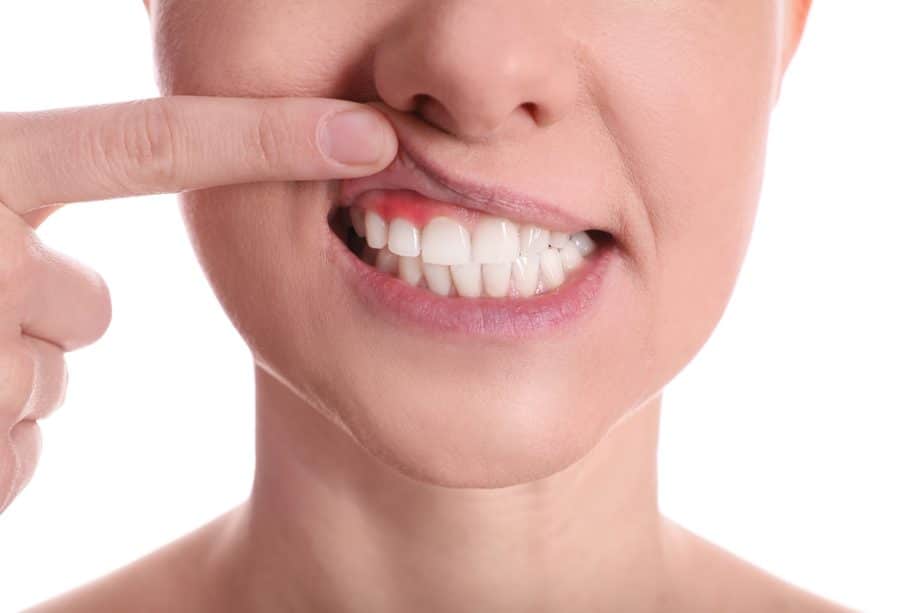
Gum disease often starts quietly. You may not feel pain at first, but your gums can still show early warning signs that need attention. When we catch gum problems early, we can often help protect your teeth, gums, and long-term oral health with less involved care.
In this guide, we’ll walk through five early signs of gum disease that you should not ignore. You’ll learn:
- What common gum disease symptoms can look and feel like
- Why bleeding, swelling, and bad breath matter
- When to schedule a dental visit
- How periodontal care can help protect your smile
Bleeding Gums When You Brush or Floss
Why Bleeding Gums Deserve Attention
Bleeding gums can be one of the first signs of gingivitis, the earliest stage of gum disease. Healthy gums should not bleed during gentle brushing or flossing. If you notice pink or red in the sink, your gum tissue may feel irritated because plaque has built up along the gumline.
Plaque contains bacteria that can inflame the gums. When you remove plaque with daily brushing, flossing, and routine dental cleanings, early gum inflammation may improve. If bleeding continues, we recommend scheduling a dental exam to assess your gum health and look for signs of periodontal disease.
What to Watch For
Bleeding may happen in several ways, including:
- Blood on your toothbrush
- Bleeding when you floss between certain teeth
- Red saliva after brushing
- Gums that bleed even with light pressure
Occasional bleeding after starting a new flossing routine may improve as your gums become healthier. Ongoing bleeding, however, should not become your “normal.”
Red, Swollen, or Tender Gums
Gum Inflammation Can Signal Infection
Red, puffy, or tender gums often point to inflammation. In the early stage of gum disease, plaque buildup irritates the gum tissue and causes swelling. You may also notice that your gums look shiny, feel sore, or appear darker red than usual.
Healthy gums usually look firm and fit snugly around the teeth. When gums swell, small spaces can form between the teeth and gumline. Those spaces can trap more plaque and bacteria, which may allow gum disease to progress if you do not seek care.
Simple Signs You Can Check at Home
You should call our dental team if your gums:
- Feel sore when you brush or chew
- Look swollen around one or more teeth
- Appear bright red, dark red, or purplish
- Feel soft instead of firm
- Stay irritated for more than a few days
A dental exam helps us determine whether your symptoms come from gingivitis, brushing too hard, medication changes, hormonal changes, or another oral health concern.
Persistent Bad Breath or a Bad Taste
Bad Breath Can Come From Bacteria Below the Gumline
Bad breath happens to everyone at times, especially after certain foods or drinks. Persistent bad breath, also called halitosis, can point to bacteria that remain in the mouth even after brushing. Gum disease can create pockets around teeth where bacteria collect and produce unpleasant odors.
A bad taste that keeps coming back may also signal gum infection. Mouthwash may cover the odor for a short time, but it will not remove hardened tartar or treat gum disease below the gumline.
When Bad Breath Needs a Dental Visit
We recommend an appointment if you notice:
- Bad breath that returns soon after brushing
- A sour, metallic, or unpleasant taste
- Food trapping near the gums
- Bleeding or swelling, along with odor
- Tender areas around certain teeth
During your visit, we can check for plaque, tartar, gum pockets, tooth decay, dry mouth, and other causes of bad breath. If we find signs of gum disease, we can discuss the right next step for your needs, including periodontal procedures when appropriate.
Gum Recession or Teeth That Look Longer
Receding Gums Can Expose Sensitive Tooth Roots
Gum recession happens when gum tissue pulls away from the tooth. As the gumline moves, teeth may look longer than they used to. You may also feel sensitivity near the gumline because the tooth root has less protection than the enamel-covered crown of the tooth.
Gum recession can happen for several reasons, including gum disease, aggressive brushing, tobacco use, teeth grinding, genetics, or misaligned bite forces. No matter the cause, recession needs attention because exposed roots can become sensitive and more prone to decay.
Signs of Gum Recession
You may notice:
- Teeth that look longer
- Notches or grooves near the gumline
- Sensitivity to cold, heat, or sweets
- Gum tissue pulling away from one tooth
- Spaces that look larger between teeth near the gums
We can measure your gumline and check for periodontal pockets during an exam. Those measurements help us see whether the recession has stabilized or continues to progress.
Loose Teeth or Changes in Your Bite
Advanced Gum Problems Can Affect Tooth Support
Gum disease does not only affect the gums. As it progresses, it can damage the bone and supporting tissues that hold teeth in place. Early warning signs may include a tooth that feels slightly loose, a change in how your teeth fit together, or new spaces between teeth.
You should never ignore changes in your bite. Even small shifts can signal that the supporting structures around your teeth need care. Prompt treatment can help reduce infection, manage inflammation, and protect remaining bone and gum support.
Symptoms That Need Prompt Care
Schedule a dental visit if you notice:
- A tooth that moves when you touch it
- New gaps between teeth
- A change in how your upper and lower teeth meet
- Dentures or partials that no longer fit well
- Pain when biting or chewing
Loose teeth can have several causes, including injury, grinding, infection, or periodontal disease. A dental evaluation helps us identify the cause and recommend the most appropriate treatment.
Protect Your Gums Before Symptoms Get Worse
Early Care Can Make Treatment Easier
Gum disease can progress from mild inflammation to a more serious infection if you do not address it. Bleeding, swelling, bad breath, gum recession, and bite changes all deserve attention. You do not need to wait for pain before you schedule a visit.
We encourage you to brush twice daily, clean between your teeth every day, and keep routine dental appointments. If you notice any of the warning signs above, our team can evaluate your gums, explain what we find, and help you choose the right care plan.
Frequently Asked Questions About Periodontal Procedures
What are periodontal procedures?
Periodontal procedures are dental treatments that focus on the gums and supporting structures around the teeth. They may help manage gum infection, remove plaque and tartar below the gumline, reduce periodontal pockets, or restore healthier gum tissue.
How do I know if I need periodontal treatment?
You may need periodontal treatment if you have bleeding gums, swollen gums, gum recession, loose teeth, persistent bad breath, or deep gum pockets. A dental exam and periodontal measurements help us determine the stage of gum disease and the best treatment option.
Is gum disease reversible?
Gingivitis, the earliest stage of gum disease, can often improve with professional dental care and better home hygiene. More advanced periodontal disease cannot always be reversed, but treatment can help manage infection and protect your oral health.
Does periodontal treatment hurt?
We focus on keeping you as comfortable as possible during periodontal care. The level of discomfort depends on the type of procedure, the severity of gum disease, and your individual needs. We can discuss comfort options before treatment begins.
How can I prevent gum disease from coming back?
You can reduce your risk by brushing twice a day, flossing or using another interdental cleaner daily, avoiding tobacco, and visiting the dentist for recommended cleanings. If you have a history of gum disease, we may recommend more frequent maintenance visits.
At Complete Family Dental and Facial Aesthetics, we provide dental care for families in Phenix City, AL, and nearby communities. We help patients maintain healthy smiles through preventive, restorative, cosmetic, and periodontal care. To schedule a visit or learn more about our services, contact us.